නාගරික සංවර්ධන අධිකාරිය
நகர அபிவிருத்தி அதிகாரசபை
Urban Development Authority
Share your perspective
Please log in to share your thoughts and join the discussion.
Loading comments...
Fetching the latest discussions
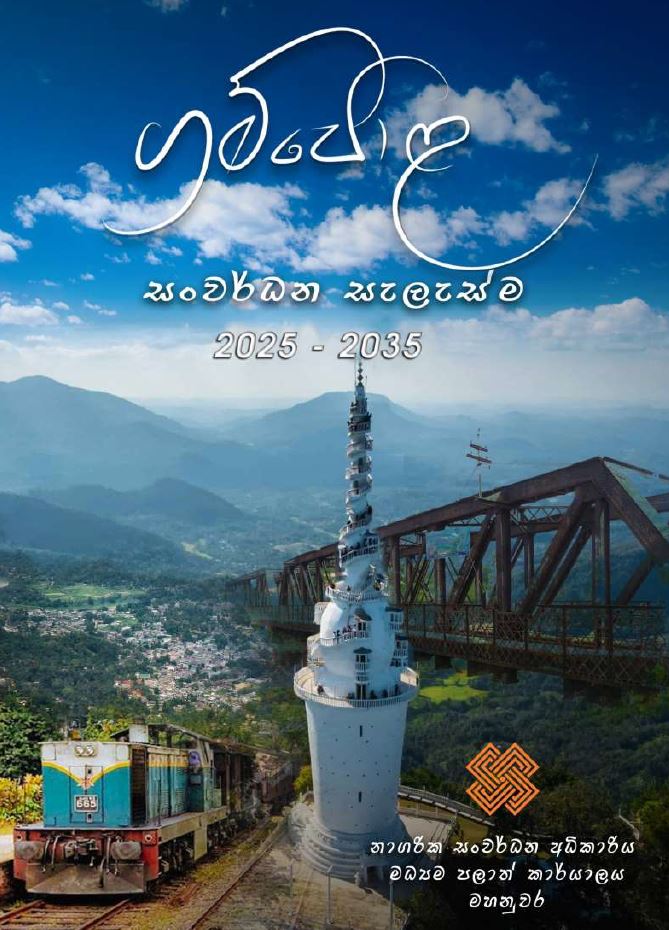
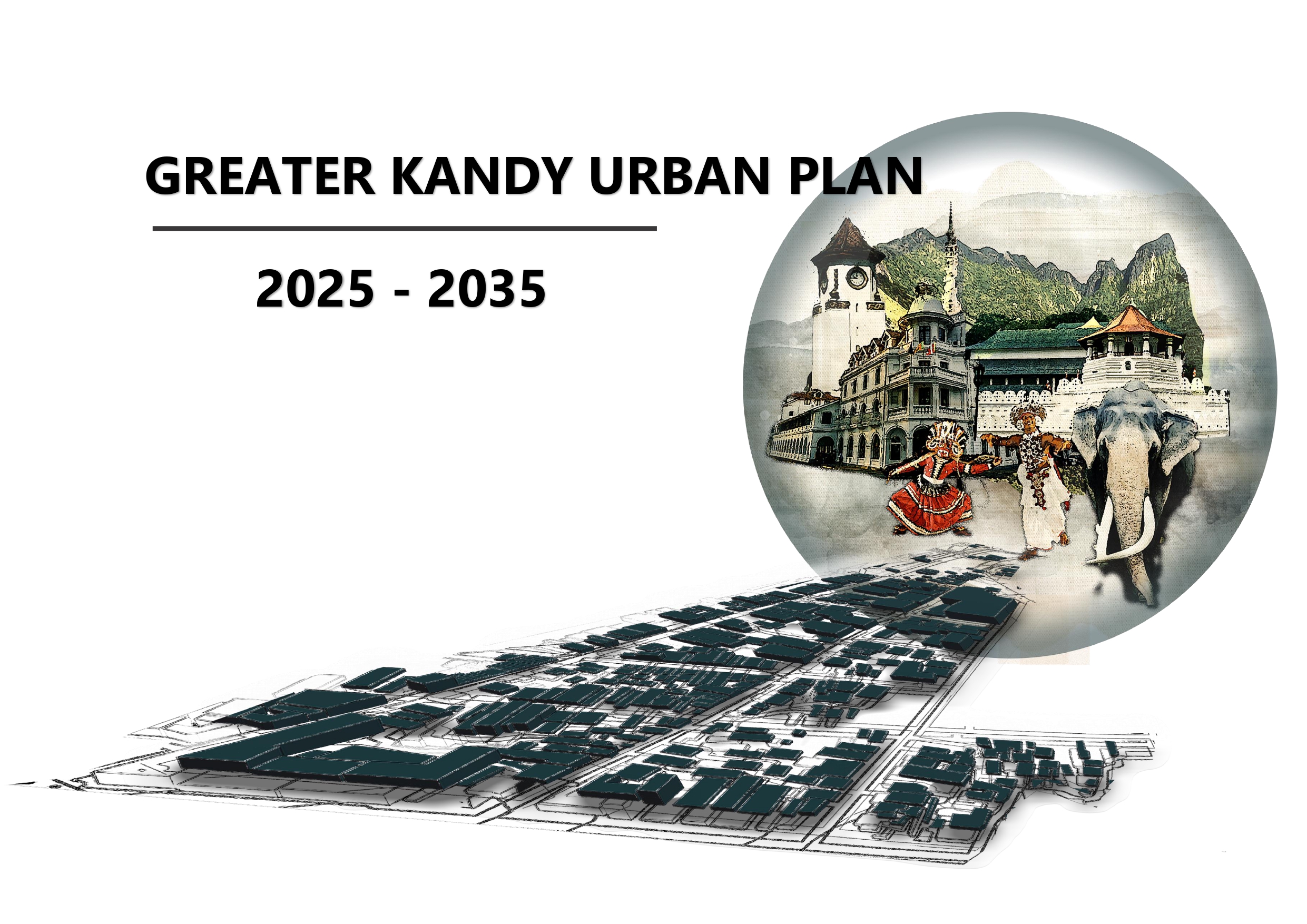
Kandy, the capital of Central Province, is one of the major cities in Sri Lanka. The city is widely recognized as the most sacred place in Buddhist culture because it is home to the Temple of the Sacred Tooth Relic. In addition, Kandy was the last ancient kingdom in Sri Lankan history and witnessed important political events between Sri Lankans and Europeans before colonization.
The geographical setting of Kandy also makes it unique. The city and surrounding region are located at elevations of approximately 500–550 meters above sea level, which is considered a highly sensitive environmental zone in Sri Lanka. Furthermore, the Kandy region possesses significant potential for development in economic, social, and cultural sectors.
Due to the lack of a comprehensive planning initiative to address the issues in the Kandy region, the Government of Sri Lanka requested assistance from the Government of Japan in 2016 to prepare a regional development plan for Kandy. As a result, a planning team from the Japan International Cooperation Agency (JICA), together with the Urban Development Authority (UDA), prepared and completed the Greater Kandy Urban Plan (GKUP) in 2018.
The GKUP mainly focused on reducing the negative impacts of unplanned and irregular development while enhancing the cultural and environmental value of the area. The plan aimed to address these challenges through a series of proposed development projects.
The GKUP 2018 was prepared through several stakeholder meetings with strong community participation. As a result, some proposals identified in the plan were initiated during the early stages itself. However, the implementation process was interrupted due to the impacts of the COVID-19 pandemic and the subsequent economic crisis. Despite this, there is now an increasing need to implement development proposals in the region because of the rapid rise in urban issues.
The original plan was formulated based on the context before 2018. By 2023, unexpected socio-economic changes had emerged, creating the need to revise certain proposals that could not have been anticipated at the time of the GKUP 2018. Recognizing the importance of the plan, the UDA initiated a review process in 2023 to update the proposals according to the current context and to ensure sustainable implementation before publishing it through gazetting.
Therefore, the review process aims to revise existing proposals and introduce new proposals that respond to present-day conditions. However, the original planning concept, vision, goals, and objectives of the GKUP 2018 have been retained.